Darknet Markets 2026:
The dark web is part of the deep web but is built on darknets: overlay networks that sit on the internet but which can't be accessed without special tools or software like Tor. Tor is an anonymizing software tool that stands for The Onion Router — you can use the Tor network via Tor Browser.
| Darknet Market | Established | Total Listings | Link |
|---|---|---|---|
| TorZon Market | 2022 | 140+ | Onion Link |
| Nexus Market | 2024 | 600+ | Onion Link |
| Abacus Market | 2022 | 100+ | Onion Link |
| Ares | 2026 | 100+ | Onion Link |
| Cocorico | 2023 | 110+ | Onion Link |
Updated 2026-10-22
Safe and Private Shopping on the Darknet
The operational framework of darknet markets is built upon two foundational pillars: cryptocurrency and vendor ratings, which together facilitate a secure and discreet commercial environment on the Tor network. Transactions are conducted using digital currencies like Monero or Bitcoin, which provide a significant degree of financial anonymity by separating public wallet addresses from personal identities. This payment method is not only efficient but also enhances user privacy by minimizing traceable financial footprints.
Concurrently, the system of vendor feedback acts as a self-regulating mechanism for quality and reliability. Potential buyers examine a vendor's historical performance, including:
- Detailed reviews on product quality and shipping speed
- Percentage of successful transactions and positive ratings
- Communication responsiveness and professionalism
This transparent record of past transactions allows new users to make informed decisions, fostering a competitive marketplace where trust and reputation are paramount. The integration of escrow services further secures each transaction, holding the buyer's cryptocurrency in a third-party account until the product is received and confirmed, thereby protecting all parties from fraudulent activity. This combination of cryptographic finance and community-driven accountability creates a resilient ecosystem for private commerce.
How Encryption Protects Your Privacy on the Darknet
Darknet markets leverage cryptocurrency as the primary medium of exchange, which provides a significant layer of financial privacy. Transactions are recorded on a public ledger, but the identities of the sender and receiver are represented by pseudonymous wallet addresses. This system allows for the transfer of value without linking it directly to a person's real-world identity or bank account, facilitating discreet commerce.
The integrity of a transaction is further secured by escrow services held by the market administrators. Funds are only released to the vendor once the buyer confirms satisfactory receipt of the goods, which protects buyers from fraudulent listings.
To assess vendor reliability, these platforms employ transparent feedback and rating systems. Potential buyers can review:
- Detailed feedback from previous transactions
- Average product ratings and specific comments
- Vendor's historical activity and overall reputation score
This collective intelligence, gathered from the community, allows individuals to make informed decisions and confidently engage with reputable sellers, ensuring a safer and more predictable experience for all parties involved on the Tor network.
How Crypto and Trusted Vendors Make Darnket Shopping Safe and Private
Cryptocurrency transactions form the financial backbone of darknet commerce, providing a mechanism for payment that aligns with the core principles of user privacy and operational security. Unlike traditional banking systems, cryptocurrencies like Monero and Bitcoin facilitate transfers without directly linking personal identities to financial activity. This pseudonymous nature allows buyers to engage in transactions with a significantly reduced risk of their personal financial data being exposed, creating a layer of financial discretion that is essential for this type of trade.
The ecosystem is further secured by the implementation of vendor rating systems. These systems function as a decentralized form of quality control and trust management. Potential buyers meticulously review feedback and detailed ratings from previous transactions before committing to a purchase. This transparent record of a vendor's history promotes high standards of product quality and reliable shipping practices. Vendors with consistently positive feedback build strong reputations, which in turn fosters a healthier and more trustworthy marketplace for all participants.
When combined, these two elements create a secure environment for discreet commerce. The entire process, from browsing listings on the Tor network to finalizing a transaction, is designed to protect all parties involved. Cryptocurrency ensures financial anonymity, while vendor ratings ensure transactional integrity, together supporting a free and open market for a wide range of goods that empowers individual choice and consumer autonomy.

Trusted Shopping on the Darknet
The decentralized nature of darknet commerce necessitates a robust system for establishing trust between anonymous parties. This is achieved through a transparent feedback and rating mechanism that functions as a decentralized reputation system. Every transaction concludes with an opportunity for the buyer to leave a detailed review and a star rating based on product quality, shipping speed, and stealth of packaging.
Vendors with consistently high ratings and positive feedback naturally accumulate a trusted status within the community, making their listings more visible and desirable. This system empowers buyers to make informed decisions, effectively crowd-sourcing the vetting process. The feedback is immutable and publicly tied to the vendor's profile, creating a powerful economic incentive for vendors to maintain high standards of product quality and professional customer service. This self-regulating environment ensures that reliable vendors thrive while those with poor practices are quickly identified and avoided by the community.
Cryptocurrency transactions are integral to this ecosystem, providing the financial layer that supports these trust mechanisms. Payments in Bitcoin or Monero are not only pseudonymous but also facilitate the use of escrow services. Funds are held in escrow by the market administrators until the buyer confirms satisfactory receipt of the goods, at which point the cryptocurrency is released to the vendor. This process protects both parties from fraudulent activity. The combination of cryptocurrency and public vendor ratings creates a secure and efficient framework for discreet commerce, allowing for the safe exchange of a wider range of goods and substances that individuals may choose for personal use.
How Escrow Makes Darnet Deals Safe for Everyone
The escrow system is a fundamental component that facilitates trust in darknet commerce. When a buyer initiates a purchase, their cryptocurrency payment is not sent directly to the vendor. Instead, the funds are held in a secure, multi-signature escrow wallet controlled by the market platform. This wallet requires two or more private keys to authorize a transaction, ensuring that no single party can unilaterally access the funds.
The release of funds is contingent upon the successful fulfillment of the order. Only after the buyer confirms receipt of the goods does the market administrator approve the transfer from escrow to the vendor. This mechanism effectively mitigates the risk of fraud by incentivizing honest conduct from both parties. Vendors are assured of payment for shipped items, while buyers are protected from vendors who might otherwise accept payment without delivering the product. The system's integrity is further reinforced by the transparent vendor rating and feedback history, which provides a reliable record of past transactions and vendor performance, allowing buyers to make informed decisions based on community-verified reputations.
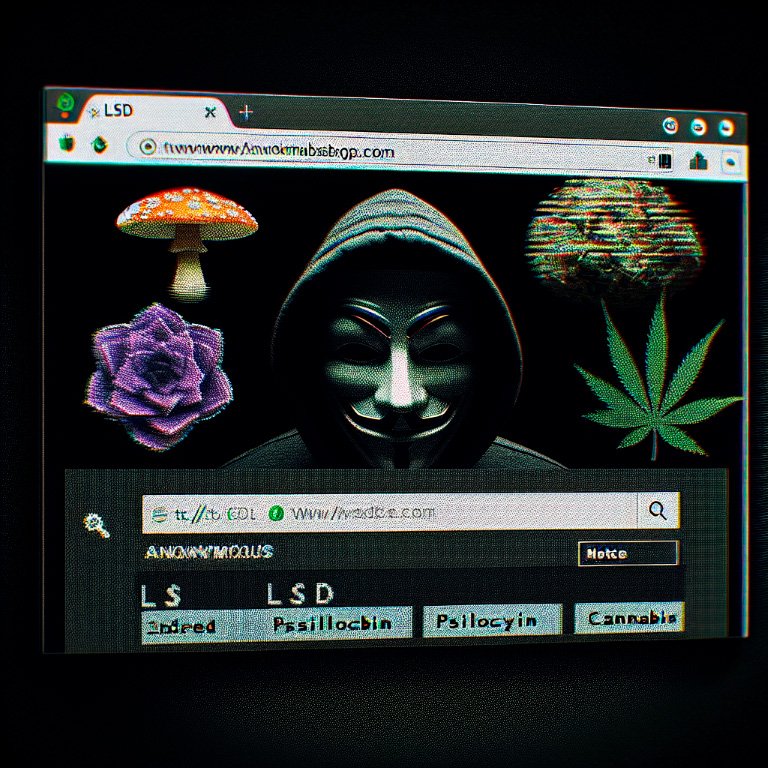
A Secure Market for Quality Products
The operational framework of darknet markets is fundamentally built upon two pillars: the anonymity of cryptocurrency and the reliability of vendor ratings. These systems work in tandem to facilitate a secure and discreet commercial environment on the Tor network.
Cryptocurrencies like Monero and Bitcoin are the exclusive mediums of exchange. Their decentralized nature and cryptographic foundations prevent financial institutions from tracking transactions, effectively severing the link between a purchase and a user's real-world identity. This financial privacy is a prerequisite for open trade.
To mitigate the inherent risks of anonymous dealing, markets employ a transparent feedback and rating system. Every transaction concludes with an opportunity for the buyer to leave a detailed review and a numeric score.
- This creates a self-regulating economy where vendors with high ratings and positive reviews gain more business.
- Conversely, those with poor feedback are quickly identified and ostracized by the community.
This direct accountability ensures that vendors maintain high standards in the quality of their products and the discretion of their shipping methods. The entire process, from browsing to finalizing a sale, occurs within the encrypted Tor browser, which obscures the user's IP address and physical location. This combination of financial and digital anonymity empowers individuals to seek out substances of their choice with a greatly reduced risk of exposure, fostering a free and open commercial space that operates on principles of mutual trust and verified reputation.
Better Shopping with Privacy and Choice on the Darknet
Darknet markets fundamentally operate on principles of autonomy and consumer choice, facilitated by specific technological frameworks. The core of this system relies on two interdependent pillars: cryptocurrency transactions and a transparent vendor rating system, both operating within the anonymizing environment of the Tor network.
Cryptocurrencies like Monero and Bitcoin are the financial engines of these platforms. They enable a form of commerce detached from traditional banking, allowing for direct peer-to-peer value transfer. This method provides a significant layer of financial privacy for both buyers and sellers, as transactions are recorded on a public ledger but are not inherently tied to real-world identities without additional information. The pseudo-anonymous nature of these currencies supports discreet purchasing.
Concurrently, the vendor feedback and rating system creates a self-regulating environment of accountability. Potential buyers can assess a seller's reliability based on:
- Historical transaction ratings
- Detailed reviews of product quality
- Consistency in shipping times
- Communication responsiveness
This crowdsourced data is crucial for making informed decisions, effectively weeding out unreliable vendors and rewarding those who conduct business professionally. The integration of escrow services, where funds are held by the market until the buyer confirms satisfactory receipt of the goods, further mitigates transactional risk. This combination of cryptographic payment systems and community-driven reputation metrics empowers users with unprecedented discretion and control over their acquisitions, fostering a free market where choice is directly influenced by demonstrated vendor performance.